[vc_row][vc_column][vc_column_text css=”.vc_custom_1554725850153{margin-bottom: 0px !important;}”]
Maritime transport serves as the backbone of international trade, playing a pivotal role in the global movement of goods. It is responsible for transporting the vast majority of products across oceans, creating a vital link between continents. Renowned for its cost-effectiveness and remarkable capacity to handle massive volumes, maritime transport is an indispensable choice for businesses looking to ship their merchandise efficiently over long distances.
The most widely used and reliable methods for transporting
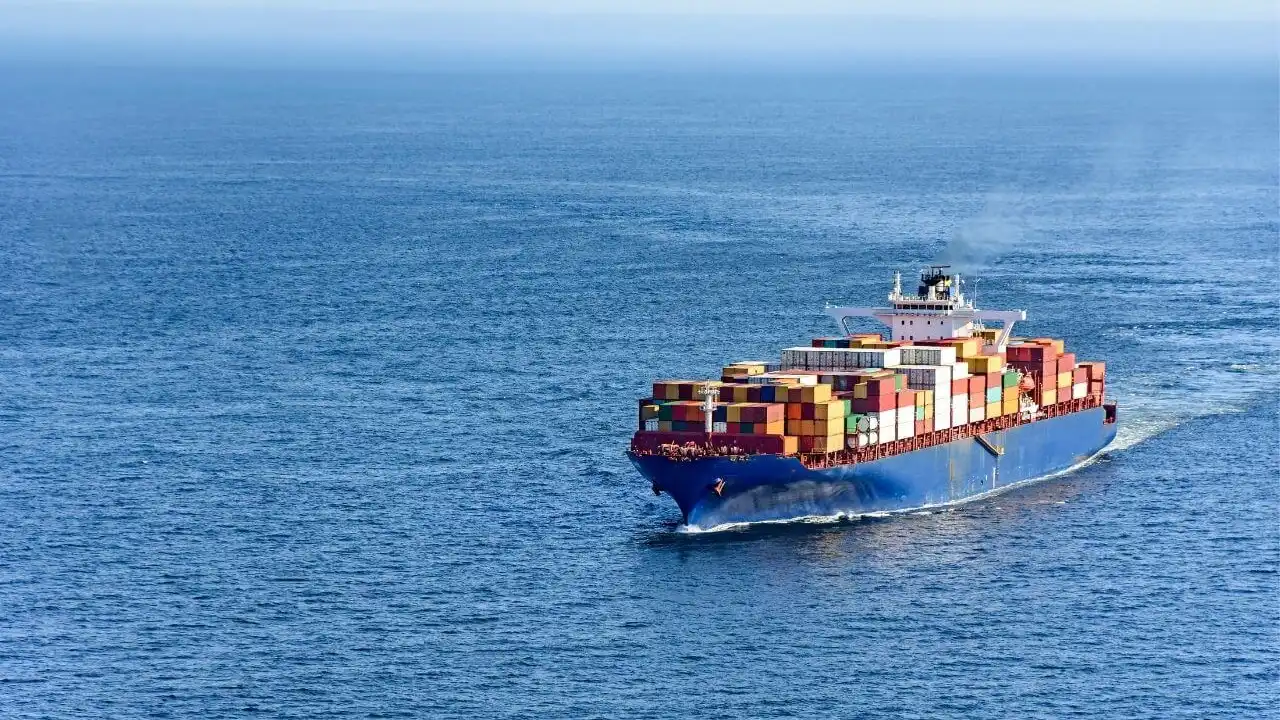
However, selecting the ideal type of maritime transport is an intricate decision influenced by a variety of factors. Considerations such as the size of the shipment, the nature of the goods—ranging from delicate electronics to bulky industrial equipment—and the urgency of delivery timelines all come into play. This careful assessment ensures that businesses can navigate the waters of international shipping with confidence and reliability.
Maritime transport is not merely about the logistics of moving products; it’s a vital process that guarantees your shipments arrive in pristine condition, on schedule, and as expected. Whether you’re dispatching essential raw materials, everyday consumer products, or delicate perishable items, having a thorough understanding of the diverse maritime transport options can significantly enhance your efficiency. By making informed choices, you can save your business both precious time and hard-earned money, all while ensuring that your cargo is treated with the care it deserves during its journey across the waves.
[/vc_column_text][dt_sc_empty_space margin_lg=”30″ margin_md=”” margin_sm=”” margin_xs=”” el_id=”1554726233426-12dc6c7c-93ff”][vc_column_text css=”.vc_custom_1554725367887{margin-bottom: 0px !important;}”]
[/vc_column_text][dt_sc_empty_space margin_lg=”40″ margin_md=”” margin_sm=”” margin_xs=”” el_id=”1554725864618-84379541-0734″][/vc_column][/vc_row][vc_row][vc_column width=”1/2″][dt_sc_lightbox_image url=”20596″ title=””][/vc_column][vc_column width=”1/2″][dt_sc_lightbox_image url=”20597″ title=””][/vc_column][/vc_row][vc_row][vc_column][dt_sc_empty_space margin_lg=”30″ margin_md=”” margin_sm=”” margin_xs=”” el_id=”1554725902276-38283578-d4da”][vc_column_text css=”.vc_custom_1554725850153{margin-bottom: 0px !important;}”]
Benefits of Maritime transport
Maritime transport remains one of the most widely used and reliable methods for transporting goods across the world. Its affordability, scalability, and efficiency make it a preferred choice for businesses seeking cost-effective solutions for international shipping. Here are the key benefits of choosing maritime transport for your logistics needs:
- Cost-Effectiveness: maritime transport is the most economical option for transporting large volumes of goods over long distances. It offers lower costs per unit compared to air or road freight, making it ideal for bulk shipments.
- High Capacity for Large Shipments: Ships have the capacity to handle oversized and heavy cargo that other modes of transport cannot accommodate. Full Container Load (FCL) and Less than Container Load (LCL) options provide flexibility for businesses of all sizes.
- Global Reach: With access to major ports worldwide, maritime transport enables seamless international trade. It connects businesses to remote regions that may not be accessible via other transportation methods.
- Eco-Friendly Transportation: Maritime transport is one of the most environmentally friendly modes of transport, producing fewer emissions per ton of cargo compared to air or road freight. Sustainable practices, like using fuel-efficient vessels, make it a greener choice for businesses prioritizing sustainability.
- Safe and Secure Shipping: With proper packaging and handling, maritime transport offers a secure way to transport goods, including fragile and hazardous materials. Strict regulations ensure the safety of shipments throughout the journey.
- Flexible Shipping Options: Businesses can choose between FCL and LCL based on their cargo size and budget. Customizable schedules and routes provide greater flexibility for managing shipments.
- Ideal for Non-Urgent Shipments: For goods that are not time-sensitive, maritime transport is the perfect solution. While transit times may be longer, the cost savings and scalability make it a worthwhile choice for many businesses.
[/vc_column_text][dt_sc_empty_space margin_lg=”30″ margin_md=”” margin_sm=”” margin_xs=”” el_id=”1554787288147-413ef597-f37d”][vc_column_text css=”.vc_custom_1554725367887{margin-bottom: 0px !important;}”]
Maritime transport offers diverse options to cater to varying shipping needs, from small-scale LCL shipments to large-scale bulk transportation. Understanding these types of sea freight and their unique benefits enables businesses to optimize their supply chain and reduce costs. Check out our blog to learn more about types of sea freight and choose the best solution for your business.
Various Aspects of Sea Freight
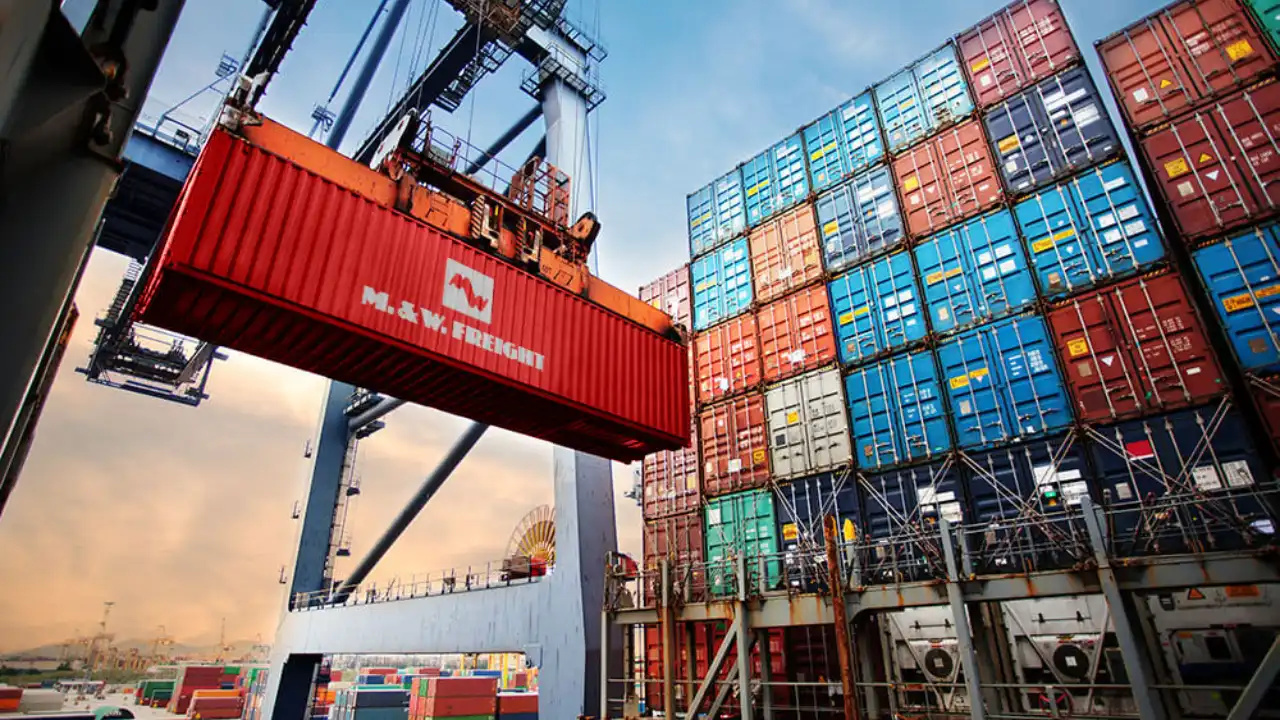
1. Cost-Effectiveness and Volume:
- Sea freight is the most cost-effective way to ship large volumes of goods over long distances.
- It’s ideal for bulk commodities, heavy machinery, and large quantities of consumer products.
- Compared to air freight, sea freight can handle significantly larger and heavier shipments at a fraction of the cost.
2. Containerization and Cargo Types:
- Containerization revolutionized sea freight, making it more efficient and secure.
- Standardized containers (20ft, 40ft) simplify handling and intermodal transport (sea, land, rail).
- Sea freight handles diverse cargo:
- Full Container Load (FCL): Exclusive use of a container.
- Less than Container Load (LCL): Sharing a container with other shipments.
- Bulk cargo: Unpackaged goods like grains, ores, and liquids.
- Roll-on/Roll-off (Ro-Ro): Vehicles and heavy equipment driven onto specialized vessels.
3. Shipping Routes and Global Reach:
- Sea freight utilizes established shipping lanes connecting major ports worldwide.
- Major shipping routes include the Trans-Pacific, Trans-Atlantic, and routes through the Suez and Panama Canals.
- This global network enables businesses to reach virtually any market.
4. Transit Times and Considerations:
Sea freight transit times are significantly longer than air freight, ranging from weeks to months.
Factors influencing transit time:
- Distance.
- Weather conditions.
- Port congestion.
- Shipping route.
- Proper planning and forecasting are crucial to mitigate delays.
5. Documentation and Customs:
Sea freight requires extensive documentation, including:
- Bill of Lading (B/L): Contract of carriage and document of title.
- Commercial Invoice.
- Packing List.
- Certificate of Origin.
- Customs clearance procedures vary by country and require meticulous attention to detail.
6. Environmental Impact:
- Sea freight has a lower carbon footprint per ton-mile compared to air freight.
- However, the sheer volume of sea freight contributes to significant emissions.
- The industry is increasingly focused on sustainable practices, such as using cleaner fuels and optimizing vessel efficiency.
7. Advancements and Technology:
- Technological advancements are improving sea freight efficiency:
- Larger and more fuel-efficient vessels.
- Advanced tracking and monitoring systems.
- Automated port operations.
- Digitalized documentation.
8. Risk and Insurance:
- Sea freight involves risks such as damage, loss, and delays.
- Cargo insurance is essential to protect against these risks.
- Incoterms define the responsibilities of the buyer and seller regarding insurance.
Conclosion
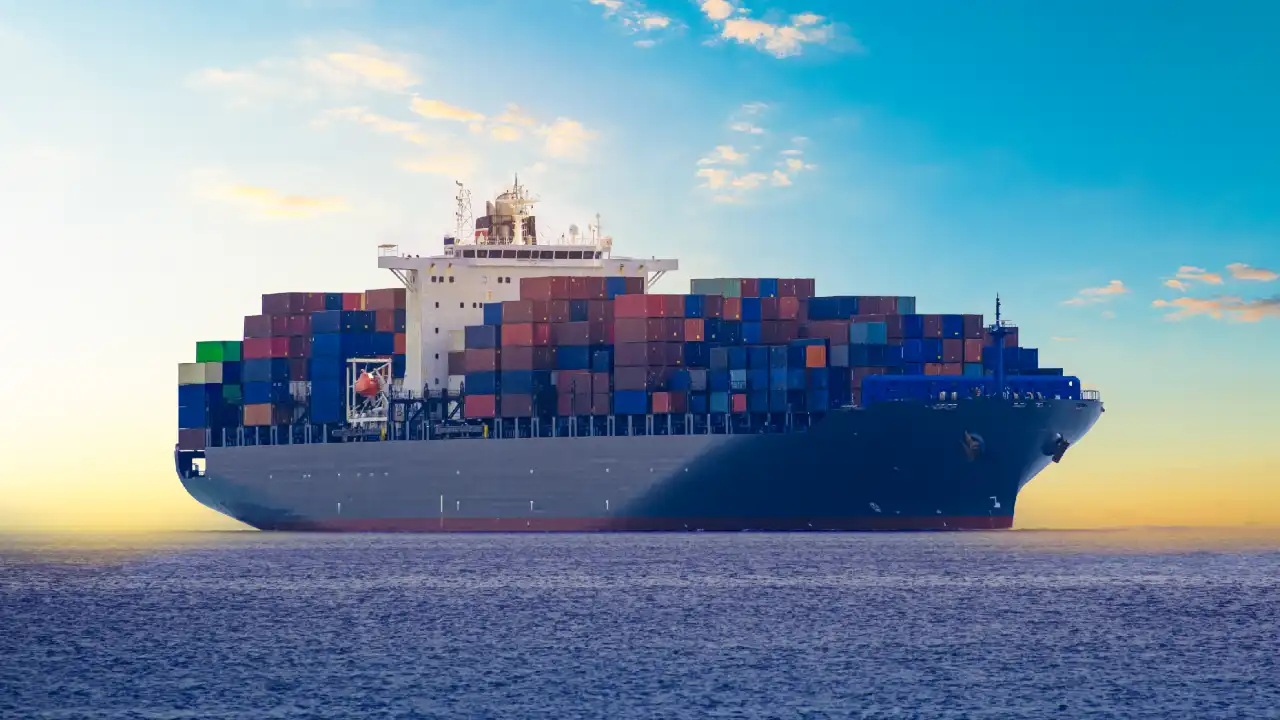
In summation, sea freight, while undeniably characterized by extended transit durations, remains an absolutely vital and remarkably cost-effective solution for the large-scale movement of goods across the vast expanse of our planet. Its inherent capacity to accommodate a truly diverse spectrum of cargo types, ranging from immense bulk commodities like raw materials and grains to meticulously containerized shipments of finished products, coupled with its unparalleled and expansive global network of shipping lanes and port facilities, renders it utterly indispensable for the smooth functioning of international trade.
As technological advancements continue to drive improvements in vessel efficiency, leading to reduced fuel consumption and faster transit times, and as port operations are further optimized through automation and streamlined logistics, sea freight will undoubtedly continue to serve as a critical and foundational component of the global supply chain. It acts as the backbone of our interconnected world, facilitating the movement of the goods that underpin our modern economies and contribute to the daily lives of billions of people. This enduring relevance underscores the strategic importance of sea freight in navigating the complexities of global commerce.
Ready to explore sea freight options tailored to your needs? Contact us today for expert guidance and cost-effective solutions!
[/vc_column_text][dt_sc_empty_space margin_lg=”30″ margin_md=”” margin_sm=”” margin_xs=”” el_id=”1554725946564-2818fde8-7bec”][/vc_column][/vc_row]
FCL (Full Container Load) means you’re using an entire container for your shipment. LCL (Less than Container Load) means your goods are combined with other shipments in a shared container
Sea freight transit times vary greatly, typically ranging from a few weeks to a couple of months, depending on the origin, destination, and shipping route
A Bill of Lading (B/L) is a crucial document that acts as a receipt for your shipment, a contract of carriage between the shipper and carrier, and a document of title for the goods.