
Imagine sending valuable goods from the heart of Asia to the other side of the world. What perils threaten your cargo on this adventurous journey? Fearsome storms, modern-day pirates, human error, and even political upheavals! This is where international cargo insurance emerges as a lifesaver. This article is your comprehensive guide to understanding international cargo insurance from A to Z. From basic definitions and its history to types of coverage, issuing a policy, claiming compensation, and key tips for choosing the best insurance, this article covers it all. By reading this, you can step into the world of international trade with greater confidence, protecting your shipments from the hazards of transit. We’ll show you how, with a smart choice of cargo insurance, you can minimize your business risks and focus on growing your business with peace of mind.
Our Shield
In today’s world, international trade is no longer a choice, but a necessity. Ships, airplanes, trains, and trucks transport millions of tons of goods around the globe daily. This massive volume of trade demonstrates the increasing growth of global commerce and the vital importance of international transportation. But this thriving path is not without its risks.
Imagine a cargo ship carrying valuable goods caught in a storm in the middle of the ocean. Or a shipment damaged due to the negligence of port workers. Even sudden political sanctions can disrupt the flow of trade. These risks constantly worry cargo owners, exporters, and importers. The financial losses resulting from these incidents can be crippling, especially for startups and small businesses.
This is where international cargo insurance steps in as a powerful defense shield. This insurance, by covering potential losses, minimizes the risk of trade and allows merchants to focus on expanding their businesses with peace of mind. The main purpose of this article is to provide a comprehensive and practical guide to international cargo insurance. Join us as we explain, in simple language and away from legal complexities, everything you need to know about this insurance.
Fundamentals of International Cargo Insurance – The Cornerstone of Confidence

What is International Cargo Insurance? Simply put, international cargo insurance is a contract between the cargo owner (the insured) and the insurance company (the insurer). Under this contract, the insurance company undertakes to compensate for potential damage to the cargo during international transportation, in exchange for the payment of a premium.
History: It’s interesting to know that the roots of cargo insurance go back centuries. In ancient times, merchants resorted to rudimentary forms of insurance to mitigate the risks of sea voyages. But the modern form of cargo insurance took shape in the 17th century with the establishment of companies like Lloyd’s of London in England. These companies, by formulating standard rules and regulations, played a significant role in the development of cargo insurance.
Parties Involved:
- Insured (Policyholder): The person who enters into the insurance contract and pays the premium. The insured can be the cargo owner, shipper, or receiver.
- Insurer (Insurance Company): The insurance company that accepts the risk and undertakes to compensate for losses.
- Beneficiary: The person who receives compensation in the event of a loss. The beneficiary is usually the cargo owner or someone who benefits from the safe arrival of the cargo.
- Broker (Optional): An intermediary between the insured and the insurer who helps the insured choose the best insurance and follow up on claims.
Basic Principles of Cargo Insurance:
- Utmost Good Faith: Both the insured and the insurer must act with complete honesty and provide all relevant information to each other.
- Indemnity: The purpose of insurance is to compensate for the actual loss and should not lead to the insured profiting.
- Subrogation: After paying a claim, the insurer has the right to pursue the insured’s rights against the party responsible for the loss (e.g., the carrier).
- Double Insurance: If a shipment is covered by multiple insurance policies, each insurer is only responsible for compensating for its share of the loss.
- Arbitration: In the event of a dispute between the insured and the insurer, it is usually resolved through arbitration.
Types of Coverage in International Cargo Insurance – An Umbrella for Every Risk
Institute Cargo Clauses (ICC): The Institute of London Underwriters (ILU) plays a significant role in formulating standard cargo insurance clauses. These clauses, known as “Institute Cargo Clauses,” are used worldwide.
- Clause C (Total Loss Only):
- Coverage: This clause only covers the total loss of the cargo. This means when the goods are completely destroyed or damaged to the extent that they no longer have any economic value.
- Example: Sinking of the ship, a complete warehouse fire, a plane crash.
- Exclusions: Partial losses, such as breakage, partial theft, or water damage to part of the shipment, are not covered by this clause.
- Clause B (With Average):
- Coverage: In addition to total loss, it also covers partial losses arising from certain specific events. These events usually include fire, sinking, stranding of the ship, collision with a reef, jettison (emergency discharge of cargo at a port of refuge), and general average.
- Deductible (Franchise): Under this clause, the insured bears a portion of the loss (the deductible).
- Example: If the cargo value is $100,000 and the deductible is $5,000, in the event of a $20,000 loss, the insurer will pay $15,000 and the insured will pay $5,000.
- Clause A (All Risks):
- Coverage: Provides the broadest type of coverage and covers almost all potential risks (except for specific exclusions).
- Exclusions: The most important exclusions under Clause A are:
- Inherent Vice (a defect in the goods themselves)
- Ordinary Wear and Tear
- Delay (unless specifically covered)
- War, Strikes, Riots, and Civil Commotions (unless covered with additional premium)
- Willful Misconduct of the Assured
- Advantages: Maximum possible coverage, greater peace of mind for the insured.
- Disadvantages: Higher premium compared to Clauses B and C.
Other Specific Coverages:
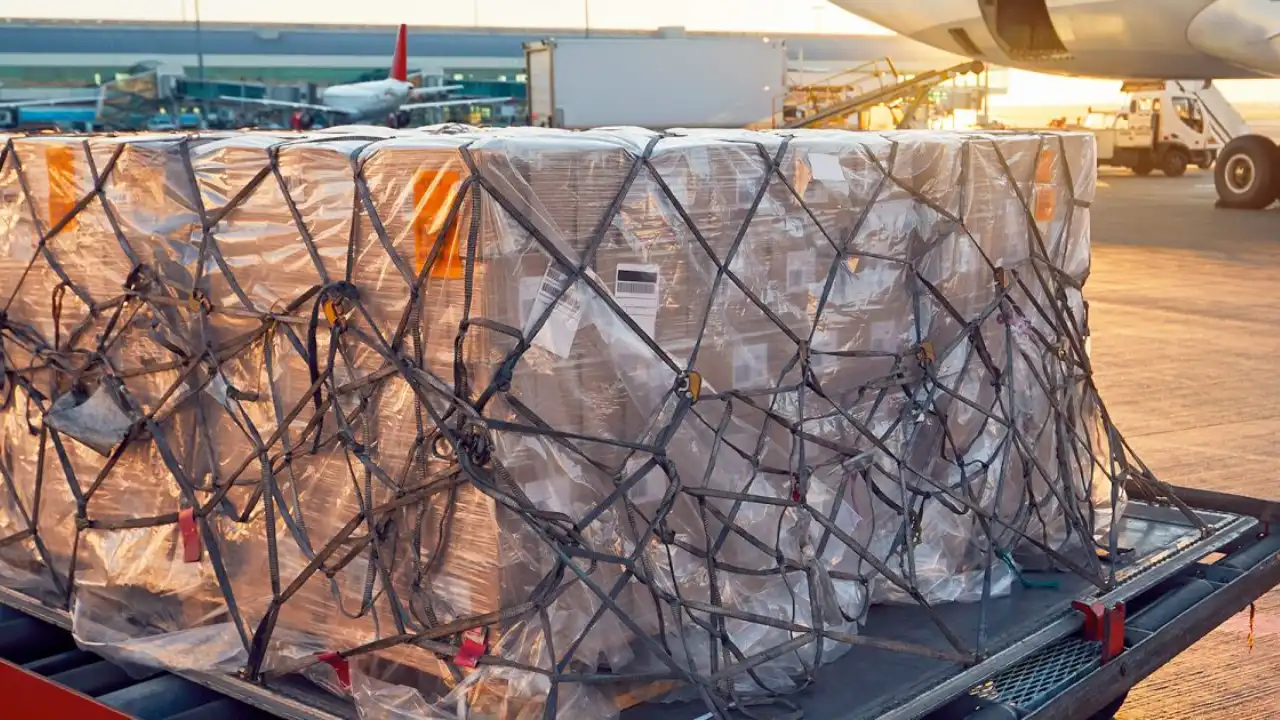
- Land, Air, Sea Transportation Insurance: Each of these modes of transport has its own risks, and there are separate insurance policies for them.
- War and Strikes Insurance: This coverage covers losses resulting from war, strikes, riots, and other political unrest.
- Non-Delivery Insurance: This insurance covers losses resulting from the non-delivery of goods to the destination (e.g., due to loss).
- Carrier’s Liability Insurance: This insurance covers the liability of carriers for damage to goods.
- Other Add-on Coverages: These are added at the request of the insured, based on their specific needs.
The Process of Issuing an Insurance Policy and Claiming Compensation – From Application to Reimbursement
Steps for Issuing an Insurance Policy:
- Providing Information: The insured must provide complete information about the goods (type, value, packaging), the transportation route (origin, destination, potential routes), the mode of transport, and their desired conditions (Clause A, B, or C) to the insurance company or insurance broker.
- Risk Assessment and Premium Determination: The insurance company assesses the transportation risk based on the information received and determines the appropriate premium. Factors affecting the premium include: type of goods, value of goods, transportation route, mode of transport, type of coverage, insured’s history, and insurance market conditions.
- Issuance of the Policy: After agreeing on the premium and conditions, the insurance company issues the policy. The insurance policy is a legal document that specifies the obligations of the insurer and the insured.
- Special Conditions: In some instances, the insurer may add special conditions to the insurance policy.
Documents Required for Issuing an Insurance Policy:
- Invoice: A document that shows the details of the goods, value, and terms of sale.
- Bill of Lading: A document issued by the carrier that represents the contract of carriage and ownership of the goods.
- Certificate of Origin: A document that specifies the country of origin of the goods.
- Packing List: A document that shows the details of the packaging of the goods (number of packages, dimensions, weight).
- Other Documents: Depending on the type of goods and shipping conditions, other documents may be required (e.g., health certificate, export/import permits).
Claiming Compensation:
- How to Claim: In the event of a loss, the insured must notify the insurance company in writing as soon as possible and before the legal deadline.
- Legal Deadlines: The deadline for claiming compensation is usually stated in the insurance policy conditions. Failure to report the loss within the prescribed period may result in the claim being rejected.
Documents Required for Claiming Compensation:
- Original insurance policy
- Copy of the bill of lading
- Copy of the invoice
- Report from law enforcement authorities (in case of theft or loss)
- Report from the carrier (in case of damage during transit)
- Survey report (by the insurance surveyor)
- Other documents related to the loss (photos, videos, etc.)
Claim Settlement Process:
- Document Review: The insurance company reviews the documents submitted by the insured.
- Loss Assessment: The insurance company may send a surveyor to assess the extent of the loss.
- Determination of Payable Loss: Based on the insurance policy conditions, the surveyor’s report, and the available documents, the amount of payable loss is determined.
- Payment of Compensation: After completing the above steps, the insurance company pays the compensation to the beneficiary (usually the cargo owner).
Important Tips and Recommendations – Golden Keys to Cargo Insurance
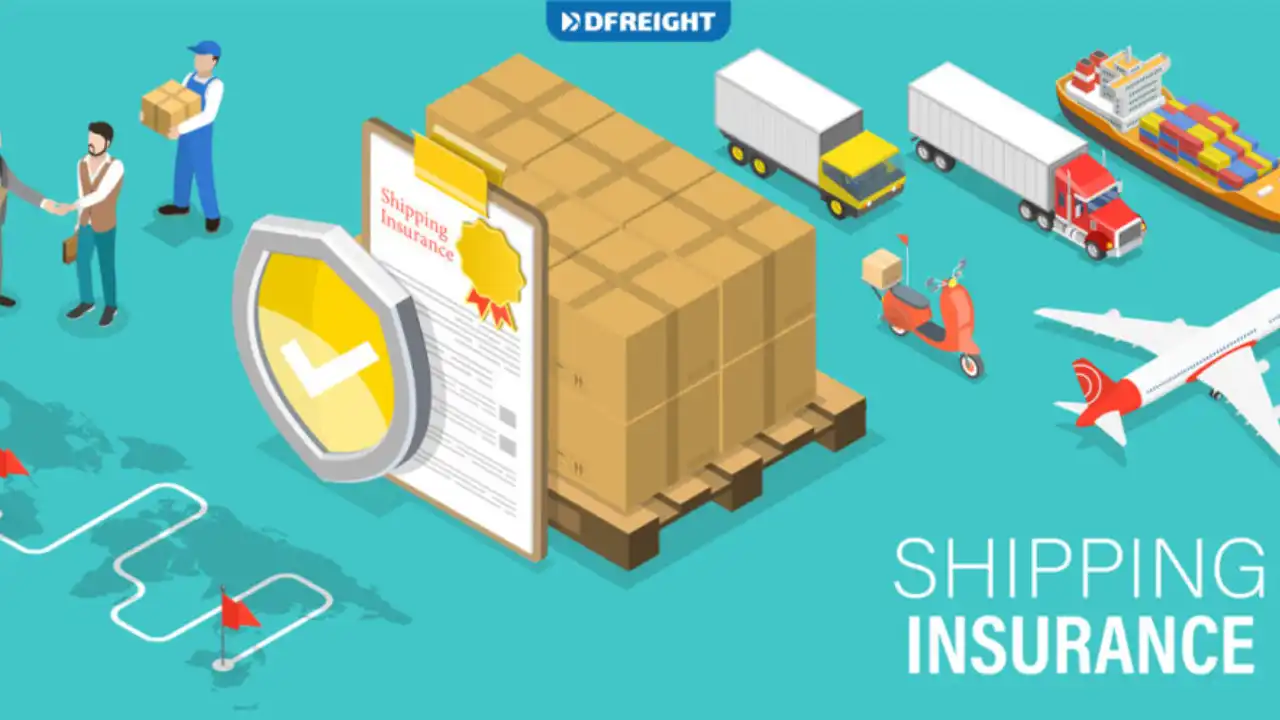
- Choosing a Reputable Insurance Company:
- Financial Strength: Choose an insurance company that is financially strong and able to compensate for potential losses.
- Reputation and Track Record: Check the insurance company’s track record in paying claims.
- Customer Service: Choose a company that has good customer service and responds quickly in case of problems.
- Consulting with an Insurance Broker: If you do not have sufficient expertise in cargo insurance, get help from an experienced insurance broker. Insurance brokers can help you choose the best insurance and follow up on claims.
- Carefully Completing the Proposal Form:
- Enter correct and complete information in the proposal form. Any incorrect or incomplete information may lead to the claim being rejected.
- Declare the true value of the goods. Underinsurance will result in receiving less compensation in the event of a loss.
- Carefully Reading the Insurance Policy Conditions:
- Before signing the insurance policy, be sure to carefully read its general and special conditions.
- Familiarize yourself with the obligations of the insurer and the insured.
- Understand the exclusions and limitations of coverage.
- Proper Packaging of Goods:
- Proper packaging plays an important role in reducing the risk of damage. Use high-quality packaging materials and pack the goods in a way that protects them from impact, vibration, moisture, and other damaging factors.
- Comply with international packaging standards.
- Choosing a Safe Transportation Route:
- As far as possible, choose the shortest and safest route for transporting your goods.
- Assess the risks of different routes (e.g., the possibility of storms, piracy, political unrest).
- Choosing a Reputable Carrier:
- Work with reputable and experienced carriers.
- Ask the carrier to have liability insurance.
- Documentation:
- Keep all documents related to transportation and insurance complete.
- Take photos and videos of your shipment at different stages (before loading, during loading, after unloading).
Conclusion
International cargo insurance is an essential tool for managing risk in global trade. By choosing this insurance wisely, you can protect your shipments from various risks and continue your business activities with peace of mind. This article introduced you to the basics, types of coverage, processes, and key points of cargo insurance. We hope this information will guide you on the challenging path of international trade.
No, international cargo insurance is not legally mandatory, but it is highly recommended. In fact, not having cargo insurance in international trade is like driving without third-party insurance; it carries a very high risk. In some cases, the buyer or seller may be required to obtain insurance based on the terms of the contract (Incoterms). But even if there is no obligation, common sense dictates that you should obtain cargo insurance to protect your investment against potential risks.
The cargo insurance premium depends on various factors and there is no fixed formula. The most important of these factors are:
Type of Goods: Fragile, perishable, or hazardous goods usually have a higher premium.
Value of Goods: The higher the value of the goods, the higher the premium.
Transportation Route: High-risk routes (e.g., areas prone to piracy or war) have a higher premium.
Mode of Transport: Sea freight is usually cheaper than air freight, but it carries more risk.
Type of Insurance Coverage: Clause A (All Risks) is more expensive than Clause B and C.
Insured’s History: If the insured has no history of claims, they may receive a discount.
Insurance Market Conditions: Insurance rates may vary depending on the overall insurance market conditions (such as competition between insurance companies)
Notify the insurance company in writing as soon as possible (and certainly within the legal deadline stated in the insurance policy).
Provide Documents: Collect and provide the necessary documents to the insurance company. These documents usually include the original insurance policy, a copy of the bill of lading, a copy of the invoice, a report from law enforcement authorities (in case of theft), a report from the carrier (in case of damage), and a survey report (by the insurance surveyor).
Cooperate with the Surveyor: Cooperate with the insurance surveyor during the inspection and examination of the cargo.
Patience and Follow-up: The claim settlement process may take some time. Be patient and, if necessary, follow up with the insurance company.
Leave a Reply